Su Casa MOLD Detections provides professional environmental MOLD inspections, moisture and damp assessments, air sampling, ventilation review, and indoor air quality indicator testing for homes, rentals, schools, offices, property managers, and commercial buildings. Our assessment-led approach helps identify likely contributing factors before cleanup, fumigation, remediation, or further laboratory testing is planned.
Assessment-led MOLD inspections • Air sampling • Moisture mapping • IAQ indicators • ERMI / HERTSMI-2 options • Professional report and remediation guidance

A professional MOLD assessment is recommended when there are signs of damp, visible MOLD, musty odours, water leaks, poor ventilation, recurring symptoms indoors, or when a property owner needs clear documentation before cleanup, remediation, or further laboratory testing.
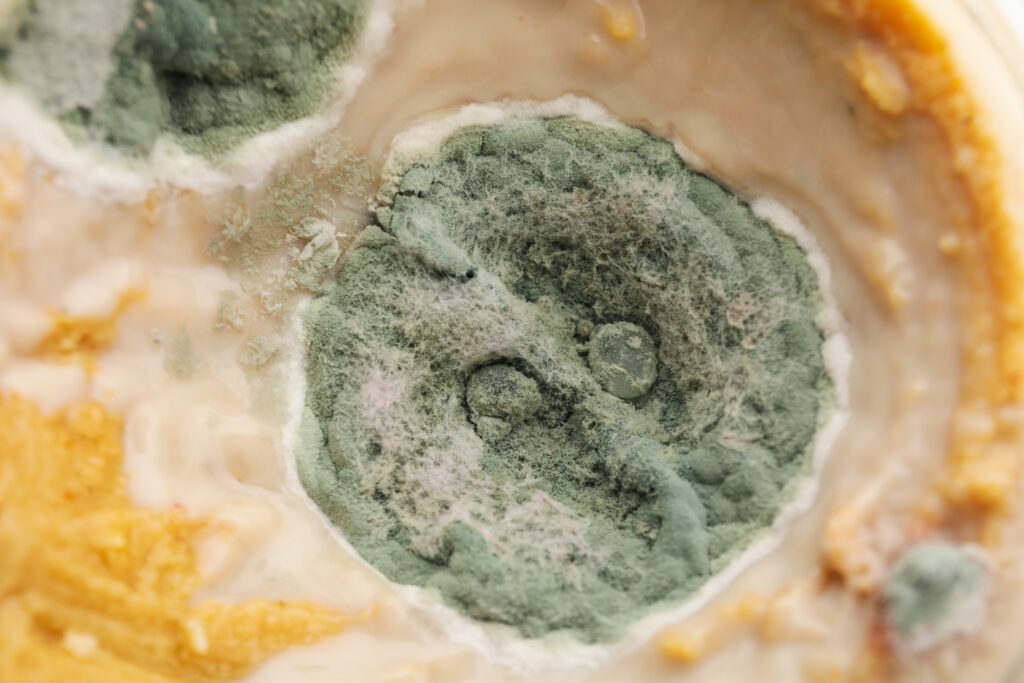
Dark, black, green, white, or fuzzy growth on walls, ceilings, cupboards, skirtings, furniture, or hidden areas should be assessed before cleanup starts.
A persistent musty smell can indicate hidden moisture, poor ventilation, or possible microbial contamination even when visible MOLD is not obvious.
Roof leaks, plumbing leaks, rising damp, condensation, bubbling paint, stained ceilings, or flaking plaster can create conditions that support MOLD growth.
An assessment can review indoor air quality indicators such as VOCs, PM2.5, PM10, CO₂, O₂, humidity, and ventilation conditions.
If MOLD returns after cleaning, the moisture source, airflow problem, or hidden reservoir may not have been corrected.
Homeowners, landlords, tenants, body corporates, schools, and property managers may need clear findings and remediation guidance for decision-making.
A comprehensive MOLD assessment is designed to identify possible MOLD risk, moisture-related building conditions, ventilation concerns, and indoor air quality indicators. The goal is to understand the likely cause before cleanup, fumigation, remediation, or advanced laboratory testing is planned.
• Visual inspection of affected and high-risk areas
• Moisture and damp assessment
• Microbial Air sampling where required
• Indoor air quality indicators including VOC, PM2.5, PM10, CO₂, O₂, humidity, and ventilation conditions
• Assessment of possible moisture intrusion, leaks, condensation, and poor airflow
• Identification of visible MOLD, staining, odours, and possible hidden reservoirs
• Recommendations for cleanup, remediation, fumigation, or damp correction
• Professional report with findings and practical next-step guidance
Where required, additional laboratory testing such as genus identification, ERMI, HERTSMI-2, Endotoxin, or other advanced testing options may be recommended.
Different properties require different levels of assessment. Su Casa MOLD Detections can guide you toward the correct option based on the visible condition of the property, damp history, indoor air quality concerns, occupant sensitivity, and whether advanced laboratory testing is required.
Best for clients who need a professional visual assessment of visible MOLD, damp areas, musty odours, or possible moisture-related building concerns. This option helps identify likely contributing factors and whether further sampling or laboratory testing is recommended.
Best for:
• Visible MOLD concerns
• Damp walls or ceilings
• Rental or property condition checks
• Initial professional guidance
Best for properties where indoor air quality, damp, moisture intrusion, ventilation, or hidden MOLD concerns need to be assessed in more detail. This option may include Microbial air sampling, moisture and damp assessment, IAQ indicators, ventilation review, and a professional report.
Best for:
• Musty odours
• Health-related concerns indoors
• Suspected hidden MOLD
• Damp or ventilation problems.
Best for clients who need additional laboratory identification of the MOLD types detected during sampling. This may assist with understanding whether common indoor MOLD types such as Aspergillus, Penicillium, Cladosporium, Stachybotrys, Chaetomium, or other genera are present.
Best for:
• More detailed MOLD identification
• Medical-supporting environmental information
• Property disputes or recurring concerns
• Remediation planning
Best for complex, recurring, long-term, or sensitive environmental cases where advanced dust DNA testing may be required. ERMI and HERTSMI-2 testing can provide deeper insight into selected water-damage-associated MOLD species in settled dust.
Best for:
• Long-term exposure concerns
• Recurrent MOLD problems
• Medically sensitive occupants
• Advanced environmental investigation
Not sure which option is right for your property?
Complete the quick questionnaire or contact Su Casa MOLD Detections and we will guide you toward the most appropriate assessment route.
This approach helps identify whether the indoor environment may be affected by airborne MOLD, moisture-related building conditions, poor ventilation, elevated particles, VOCs, or other indicators that may require further investigation or remediation guidance.
1. Microbial Air Sampling
Air sampling may be used to assess airborne MOLD levels and compare indoor results against outdoor reference samples where appropriate.
2. IAQ Indicators
We may assess indoor air quality indicators such as VOC, PM2.5, PM10, CO₂, O₂, humidity, and ventilation conditions.
3. Moisture & Damp Conditions
We check for damp walls, moisture intrusion, leaks, condensation, high humidity, and building conditions that may support MOLD growth or recurrence.
4. Advanced Testing Options
Where required, additional testing such as genus identification, ERMI, HERTSMI-2, Endotoxin, or other advanced environmental testing may be recommended.
Testing recommendations depend on the property condition, visible findings, client concerns, and the level of investigation required. Not every property requires every test..
The professional report brings the inspection findings, moisture and damp observations, Indoor Air Quality indicators, sampling results where applicable, and remediation guidance together in one clear document.
The purpose of the report is to help the client understand the property conditions, the likely contributing factors, the areas requiring attention, and the recommended next steps.
The exact report content depends on the assessment package selected, the property condition, the tests performed, and the findings recorded during the inspection. Laboratory results may be issued separately where additional analysis is required.
After the site assessment, the findings are reviewed and combined with the moisture, damp, ventilation, Indoor Air Quality, air-sampling, and laboratory information applicable to the selected service. The client then receives clear findings and practical guidance on what should happen next.
The site observations, moisture and damp findings, ventilation conditions, Indoor Air Quality indicators, photographs, air-sampling results, and laboratory information are reviewed together where applicable.
The client receives a clear report explaining the findings, likely contributing factors, affected areas, recommended priorities, and the practical next steps.
Urgent moisture sources, active leaks, heavily contaminated materials, ventilation concerns, and areas requiring restricted access or immediate attention are identified first.
The recommended work may include moisture-source correction, damp treatment, improved ventilation, material removal, detailed cleaning, fumigation, or other remediation measures based on the findings.
The client may appoint Su Casa MOLD Detections or another suitably qualified contractor to perform the recommended work.
After remediation, cleanup, or fumigation, follow-up inspection and testing may be recommended to assess whether the affected environment has improved and whether additional corrective work is required.
Report and testing turnaround times depend on the selected assessment package. Standard assessment reports are generally completed after the site findings have been reviewed. Genus identification, ERMI, HERTSMI-2, Endotoxin, or other laboratory testing requires additional processing time before final results can be incorporated.
Su Casa MOLD Detections follows an assessment-led approach to MOLD, damp, moisture intrusion, ventilation, and Indoor Air Quality concerns. Our objective is to help clients understand the likely cause of the problem, the condition of the indoor environment, and the most appropriate next step before cleanup, fumigation, or remediation begins.
Our work focuses on environmental MOLD risk, moisture-related building conditions, possible hidden reservoirs, ventilation concerns, and Indoor Air Quality indicators.
Our assessment and remediation knowledge is supported by professional industry membership and training in MOLD inspection and remediation practices.
Depending on the selected package, an assessment may include moisture readings, damp investigation, air sampling, VOC, PM2.5, PM10, CO₂, O₂, humidity, and ventilation indicators.
Where appropriate, additional testing may include MOLD genus identification, ERMI, HERTSMI, EMMA, or other environmental laboratory testing options
We assist homeowners, tenants, landlords, property managers, body corporates, schools, offices, commercial properties, and selected healthcare-related environments.
Clients receive clear findings, photographic documentation, likely contributing factors, priority actions, and practical remediation or corrective guidance.
Su Casa MOLD Detections provides assessment findings and remediation guidance based on the property conditions observed. Clients are not forced to appoint Su Casa for remediation and may use certain sections of the report to obtain quotations or appoint another suitably qualified contractor. Where Su Casa does not perform remediation, post-remediation verification may be recommended to assess the outcome of the work.
Assessment-led MOLD inspections • Moisture and damp assessment • Air sampling • Indoor Air Quality indicators • ERMI / HERTSMI-2 options • Remediation guidance
These answers explain the difference between assessment, testing, cleanup, remediation, and post-remediation verification. The correct service depends on the property condition, visible findings, moisture history, occupant concerns, and level of investigation required.
A professional MOLD assessment should normally come first when the source, extent, or cause of the concern is unclear, when occupants are experiencing health concerns that may be linked to the indoor environment, or when a medical practitioner suspects possible MOLD exposure.
The assessment helps identify visible findings, moisture and damp conditions, ventilation concerns, Indoor Air Quality indicators, and whether air sampling or additional laboratory testing is required. Cleanup or remediation can then be planned according to the environmental findings.
Su Casa MOLD Detections provides environmental assessment only and does not diagnose medical conditions. Clients experiencing health symptoms should continue consulting an appropriately qualified medical practitioner.
No. The assessment and remediation are separate services. The assessment provides findings and remediation guidance. The client may appoint Su Casa MOLD Detections or another suitably qualified contractor to complete the recommended corrective work.
The DIY MOLD Test Kit is an initial screening tool that may indicate whether viable airborne growth is present. It does not identify the full source, extent, moisture cause, ventilation condition, or complete Indoor Air Quality profile. A professional assessment provides a broader investigation of the property and includes practical reporting and remediation guidance.
ERMI , HERTSMI and or EMMA testing may be considered for complex, recurring, long-term, or sensitive environmental cases where settled-dust DNA testing can provide additional information about selected MOLD species associated with water-damaged buildings. Not every property requires this level of testing.
An assessment can identify conditions and locations where hidden MOLD may be more likely, including damp walls, skirtings, flooring edges, cupboards, roof spaces, ceiling voids, and areas affected by leaks or condensation. Intrusive opening or removal of building materials is not automatically included and may require client or property-owner permission.
Post-remediation inspection or testing may be recommended after cleanup, fumigation, material removal, damp correction, or ventilation improvements. The purpose is to assess whether the affected environment has improved and whether further corrective work may be required.
Complete the quick questionnaire or contact Su Casa MOLD Detections with your property location, visible concerns, damp history, musty odours, and preferred service. We will guide you toward the most appropriate assessment or testing route.
Environmental-services disclaimer: Su Casa MOLD Detections provides environmental MOLD inspection, moisture and damp assessment, ventilation assessment, Indoor Air Quality indicator testing, air sampling, laboratory-testing coordination, and remediation guidance. Our services do not constitute medical diagnosis, medical treatment, medical advice, or a guarantee of health outcomes. Clients experiencing health symptoms should consult an appropriately qualified medical practitioner. The tests and recommendations included in each service depend on the assessment package selected, the property conditions observed, and the scope agreed with the client.
WhatsApp us